Get a Quote
| Seating Variant | Per KM Rate | Km Limit | Driver Charges | 3 Day Manali Package |
|---|---|---|---|---|
| 9 Seater Urbania Van | ₹32 | 1200 KM | ₹700 | ₹50,500 |
| 12 Seater Urbania Van | ₹32 | 1200 KM | ₹700 | ₹50,500 |
| 13 Seater Urbania Van | ₹34 | 1200 KM | ₹700 | ₹53,000 |
| 16 Seater Urbania Van | ₹35 | 1200 KM | ₹700 | ₹55,500 |
| 17 Seater Urbania Van | ₹36 | 1200 KM | ₹700 | ₹57,500 |

Delhi to Manali Urbania on Rent

A long mountain drive shows up exactly where a standard sedan or a shared cab starts falling apart, which is why serious groups go with a Delhi to Manali tour by Force Urbania van rather than risking a mismatched vehicle for fourteen straight hours behind the wheel. The Delhi to Manali distance works out to roughly 540 kilometers - flat expressway through Punjab first, then the terrain turns hard into Himachal's climbing curves somewhere past Bilaspur and Mandi.
A solid Manali tour route map from Delhi factors in every transit point along that stretch, from the Kiratpur bypass all the way to the final climb into Kullu Valley, instead of assuming the road stays the same the whole way through.
This guide breaks down the real mileage numbers, the cabin specs that actually matter on a route like this, and, further down, why choosing a Force Urbania van for the Delhi to Manali tour becomes the obvious answer once you look at what a standard commercial cab can't handle on these gradients.
Delhi to Manali Distance
Road distance is somewhere around 530-550 km — depends if you take the straight route via Chandigarh or go through the Rupnagar bypass instead. Driving time's roughly 12-14 hours, but that's after fuel stops, food breaks, and the slower bit near Bilaspur where the roads get hilly. The Kiratpur-Nerchowk expressway stretch shaves off a good chunk of time compared to the old highway path, running wider lanes before narrowing again on the way to Mandi. Punjab's flat stretch ends fast the moment you cross Kiratpur Sahib - and that's the exact point where picking the right vehicle starts to matter more than just how much power it's got under the hood.
Manali Tour Route Map from Delhi
The route starts in Delhi, runs through Ambala, then swings onto the Chandigarh bypass to skip city-center congestion, before continuing on to Rupnagar and Kiratpur Sahib - roughly where flat plains driving ends and the hill terrain takes over.
From Kiratpur onward, the road climbs through Bilaspur and Mandi on its way to Kullu, with the last stretch into Manali covering the tighter, more winding bends. We keep an eye on live traffic on this exact route, routing around the usual bottleneck spots near Chandigarh's outer ring roads, and timing the Mandi-to-Kullu leg specifically to avoid slower local traffic on the single-lane sections — that's where most unplanned delays happen on this route.
Delhi → Ambala → Chandigarh Bypass → Rupnagar → Kiratpur Sahib → Bilaspur → Mandi → Kullu → Manali
Delhi to Manali Force Urbania Van Fare
Every vehicle on this route belongs to our own fleet — there's no third-party sub-rental commission baked into the quote, and no middleman handing off your booking to whichever van happens to be free that week. The Delhi to Manali Force Urbania van fare covers vehicle, driver, and standard fuel costs for the stated distance, with state taxes and permit clearances handled directly by our team rather than left for the client to sort out at a checkpoint. Organizers should watch closely for hidden charges in cheap vehicle tour packages pushed by third-party web brokers who quote a low headline number, then add driver night allowances, toll costs, and permit fees separately once the booking is already confirmed.
Important Details:
- Distance is counted from garage to garage
- Toll tax and parking charges are extra (If you are taken on per km basics)
- Driver allowance is charged separately
- Fuel is included in outstation packages
- GST applies according to government rules
- Extra hours and extra kilometers will be charged separately
4 Day Itinerary for Delhi to Manali Tour by Force Urbania Van
Pickup is directly from your Delhi address — the driver confirms the exact spot and time a day before, so there's no rushing around on the morning of departure. The van kicks off on the flat expressway through Punjab, passing Ambala and the Chandigarh bypass before the climb starts near the Himachal border.
Most trips leave in the evening on purpose — traffic's way lighter overnight on the plains, so you skip the usual stop-and-go near Chandigarh and Rupnagar that happens during the day. Most people just doze off through this stretch while the driver handles it.
By morning, the van is following the Beas River Valley road on the final approach into Manali, with the terrain visibly narrowing and the air turning noticeably cooler as the altitude climbs.
Once in town, the same vehicle handles every local drop needed — Mall Road for shopping and food, Old Manali for anyone wanting the quieter café stretch, and hotel check-in points across whichever part of town the group is staying in.
There's no need to arrange a separate local taxi for these short hops since the driver stays with the group through check-in, and any last errands or additional stops can be worked into the same run without extra coordination.
This day's all about a high-altitude run — either Solang Valley for the open meadows and adventure stuff, or up toward the Atal Tunnel, depending on what the group prefers and what the road conditions allow that day.
The van doesn't just drop you and leave — it waits on-site for the whole visit, so you're not stuck arranging a separate pickup for the way back. That matters more than it sounds, since local transport at these heights can be limited and unpredictable, especially once the weather turns later in the day.
Check-out happens in the morning, giving enough time for a relaxed breakfast before the vehicle starts the downhill run back toward Delhi.
The way back through Kullu, Mandi, and Bilaspur is usually quicker than the climb on Day 1, since the gradient's working with the driver this time and there's less strain on the vehicle.
Once the road flattens past Bilaspur, the van gets back on the expressway through Punjab for the final stretch into Delhi, usually arriving by evening depending on how many stops the group wants for food or rest along the way.
Best Time to Visit Manali
Figuring out the best time to visit Manali really comes down to what kind of driving conditions you're comfortable with.
Summer (April to June): The most predictable window, with clear roads and stable weather across the entire route
Monsoon (July to September): Real landslide risk on several hill stretches, particularly near Mandi and the approach into Kullu — departures during this window need built-in buffer time for potential road blocks
Winter (December to February): Snow enters the picture, manageable with the right vehicle and an experienced driver, though certain stretches can close temporarily after heavy snowfall — worth confirming road status before departure
Why Choose a Force Urbania Van for the Delhi to Manali Tour?
A standard hatchback or sedan wasn't built for fourteen hours of continuous mountain driving, and most commercial cabs running this route aren't maintained with that kind of distance in mind either. Suspension wears differently on hairpin sections than it does on flat highway, and a vehicle without the right ground clearance or cabin stability turns a long drive into a genuinely uncomfortable one by hour eight. Premium Van Features & Cabin Specs:
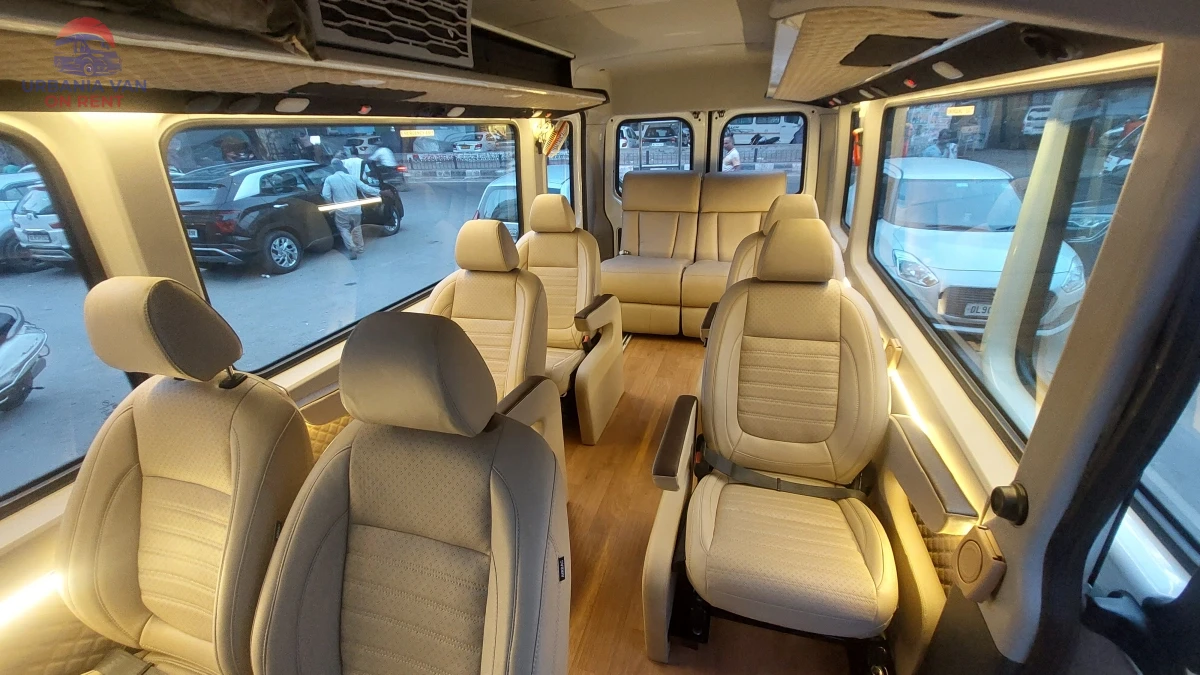
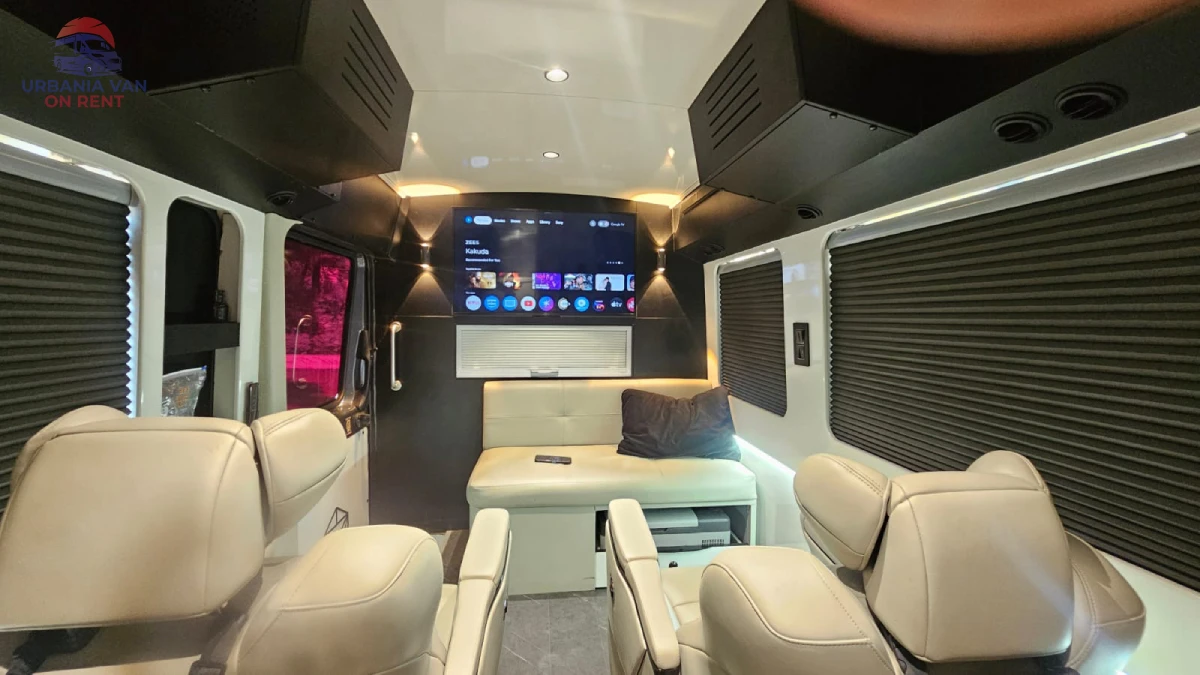
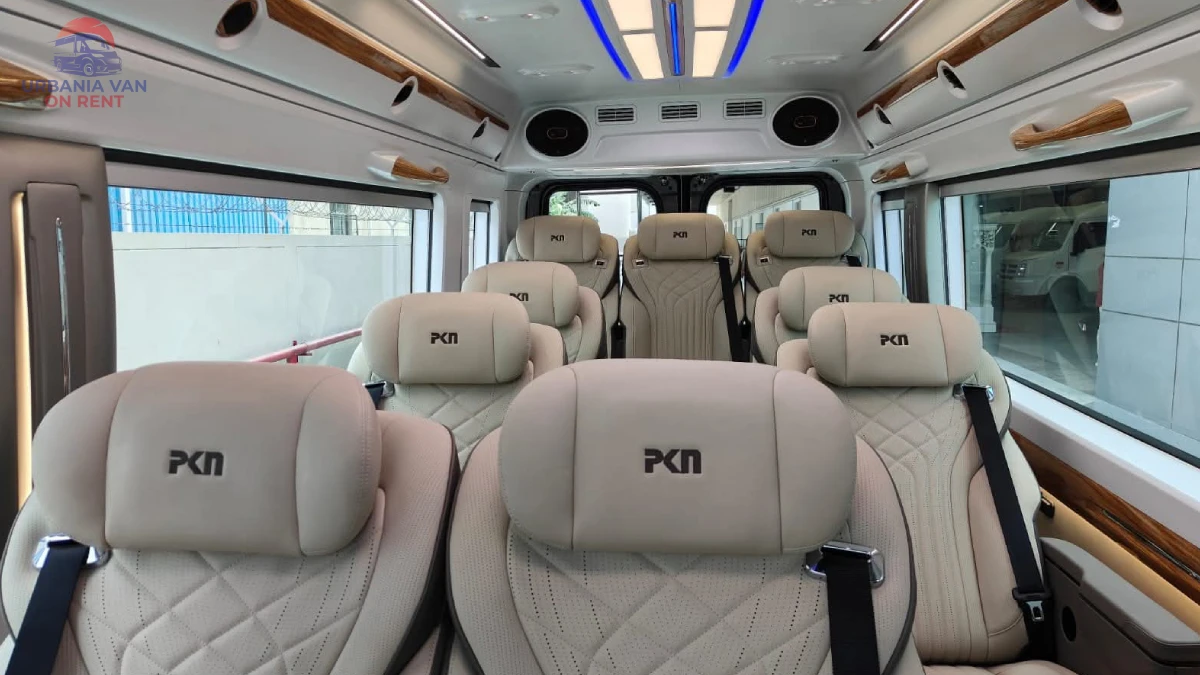
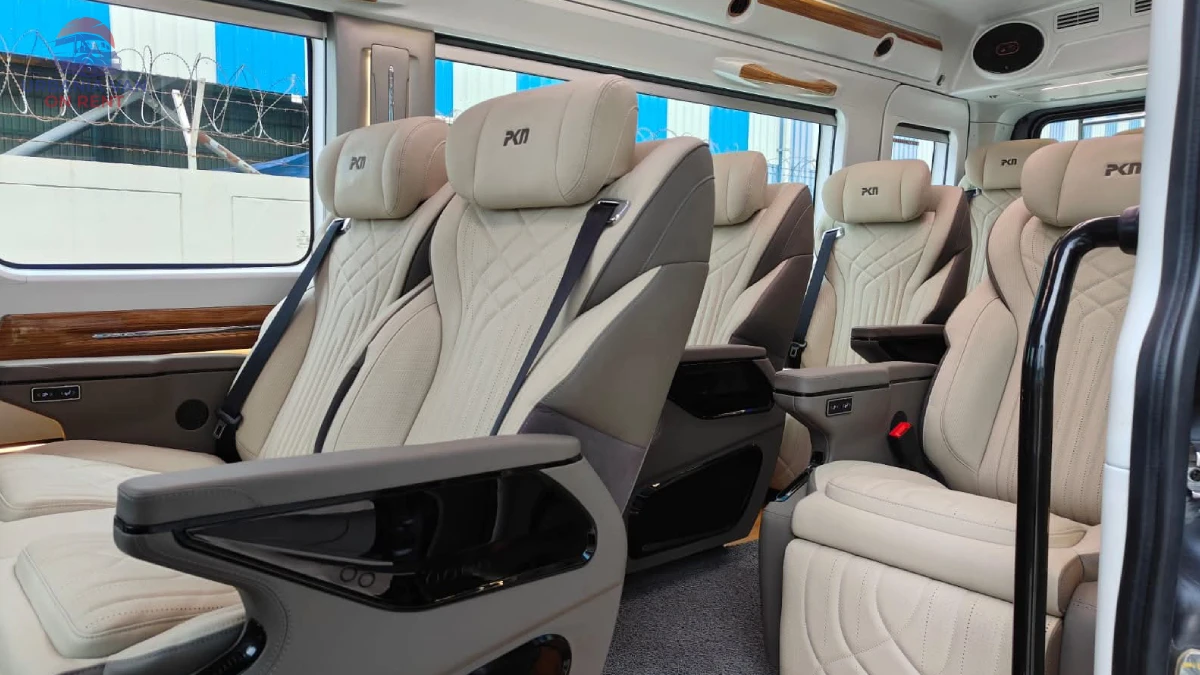
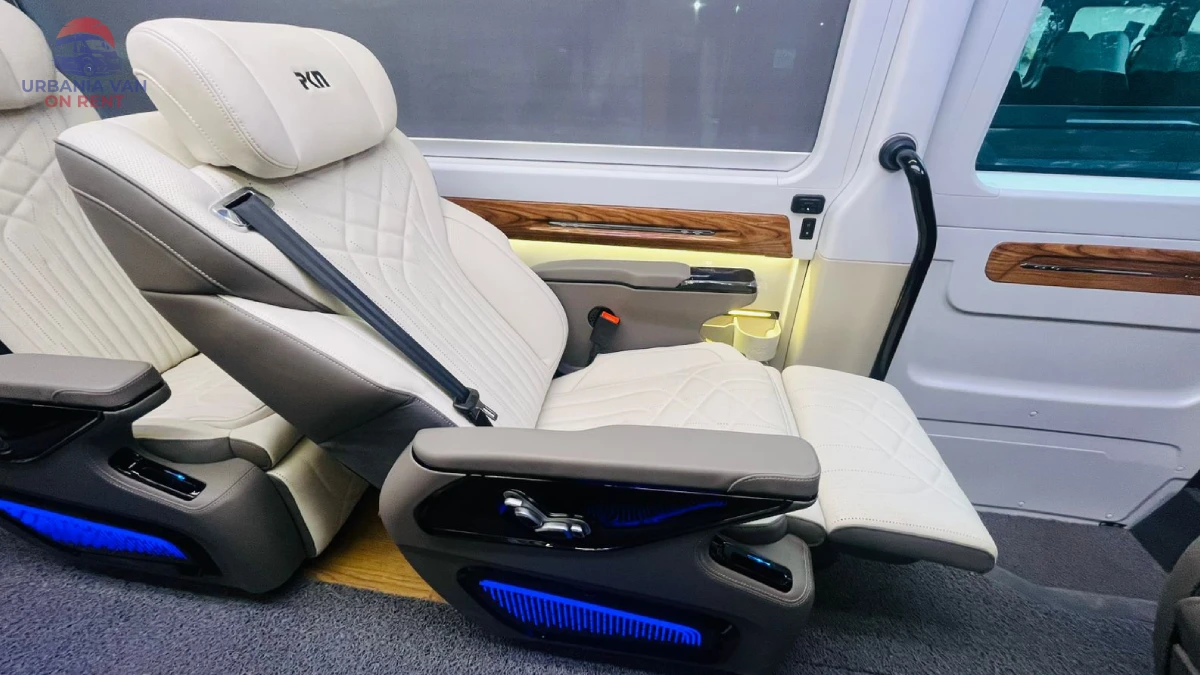
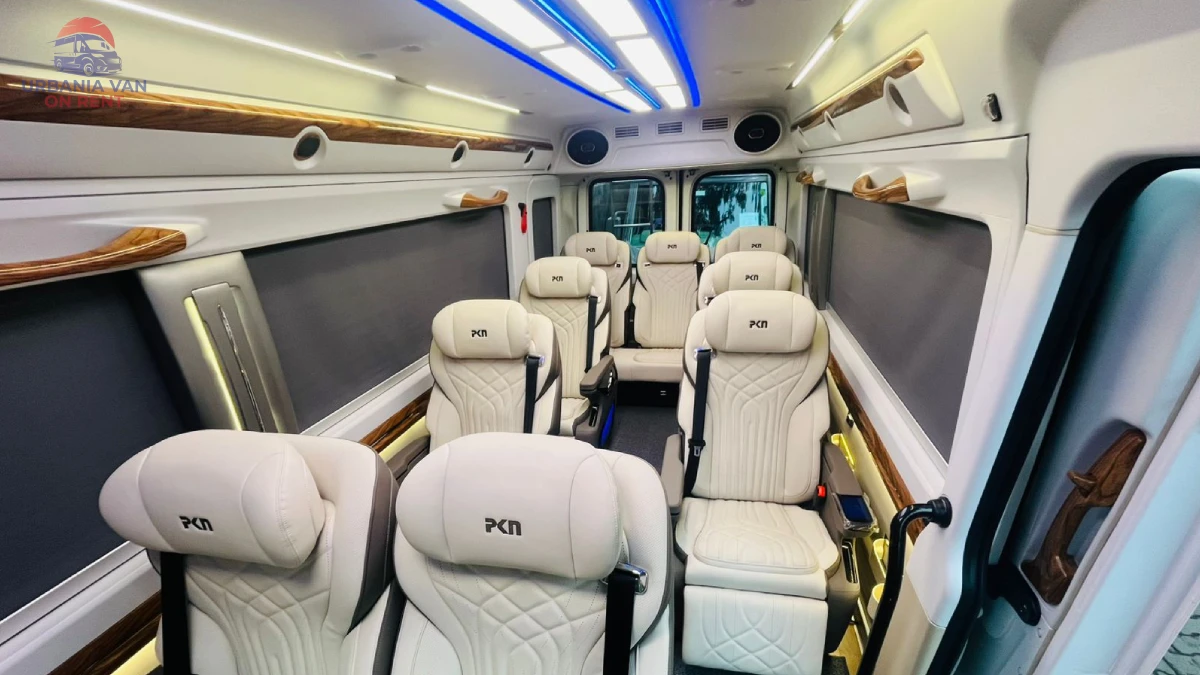
Spacious Reclining Seats: Each seat reclines independently, giving passengers real control over back angle rather than a fixed position for the whole ride. Side leg space stays generous even in the rear rows, which matters once you're eight or nine hours into the drive and shifting position becomes necessary just to stay comfortable.
Fresh and Neat Interiors: Every cabin gets sanitized and inspected before departure, with upholstery and flooring checked specifically for the kind of dust and debris that builds up on longer highway runs. Nobody boarded the vehicle that's carrying yesterday's trip.
Music, Charging Ports, and Cooling System: The AC uses two blowers, so it keeps up whether you're stuck in Delhi's heat or climbing into Manali's cooler air — no drop in cooling partway up the hills. Every row gets its own charging port, and the speakers are placed front and back so people in the last few rows aren't stuck with weak sound.
Good Space for Bags and Suitcases: The rear boot hold sits fully separated from the passenger cabin, deep enough to handle a full group's luggage without anyone's knees getting crowded by an overflow bag wedged into the aisle.
Drivers Familiar with Highway and City Roads: Every driver on this route goes through background verification before assignment, and the ones running Delhi to Manali specifically carry documented experience on hairpin curves and heavy mountain traffic, not just flat highway driving.
How to Book Delhi to Manali Force Urbania Van
We provide Urbania vans directly, so what you book is what you get. Booking is quick and easy — just a couple of steps and you're set.
Contact Details:
- Website: www.urbaniavanonrent.com
- Email: info@urbaniavanonrent.com
- Phone No.: +917379448069
- Office: N-26/A, Gali No 2, Vijay Vihar, Block A, Uttam Nagar East, Uttam Nagar, Delhi, 110059
Simple Booking Process:
- Share your travel dates, group size, and preferred seating configuration through our booking desk.
- Confirm vehicle type — 10, 13, or 17-seater Force Urbania based on headcount.
- Review the complete fare breakdown covering vehicle, driver, and permit costs.
- Lock the booking with an advance payment. Receive driver contact and vehicle details ahead of your pickup date.
Outstation Tours by Urbania Van
FAQ
Rates on this route usually run ₹32-34 per km depending on the seating you go with, and for multi-day trips there's a minimum of 250-300 km/day that applies. Exact rate gets confirmed at booking time since it can shift a bit by season.
Yes, these charges are calculated and included in the final quote rather than billed separately at a checkpoint. Our drivers carry the necessary documentation for state entry and environmental clearance, so there's no delay crossing into Himachal Pradesh.
Yes, our commercial permits cover Atal Tunnel access under normal conditions. Rohtang Pass specifically requires a separate permit from local authorities due to visitor limits, which our team arranges in advance when a group's itinerary includes that stretch.
A 10 seater usually fits around 250 kg of luggage, since there's fewer passengers to make room for. The 17 seater's boot looks bigger, but with more seats in play, it really only holds about 200 kg. If your group's got extra luggage, just mention it at booking so we can sort the seating.
Drivers rotate on longer bookings when the schedule allows, and mandatory rest breaks get built into the route plan rather than left to driver discretion. Night driving through ghat sections specifically gets handled by drivers with documented hairpin experience rather than assigning it to whoever's available that shift.
Yes, if the driver has to stay overnight away from base, there's a night halt charge — usually ₹500-800 depending on the location. It's shown upfront in the fare breakdown, not added as a surprise later.
Peak season slots, particularly during May-June summer breaks and the December-January snow window, should be booked at least three to four weeks in advance. Maharaja-variant vehicles specifically see faster turnover during these windows given limited fleet numbers in that category.
When the operator owns the vehicle outright, there's no incentive to swap a confirmed Force Urbania for a cheaper, unregistered substitute right before departure, which is a common complaint with aggregator-routed bookings. Direct ownership also means faster resolution if a genuine mechanical issue comes up mid-route.
Mobile network usually works fine in Kullu and central Manali, but it gets patchy on the highway stretches between towns and at higher spots like Solang Valley. Better to carry some cash for small roadside vendors and spots where signal just isn't there.